The studio · Founded 2011
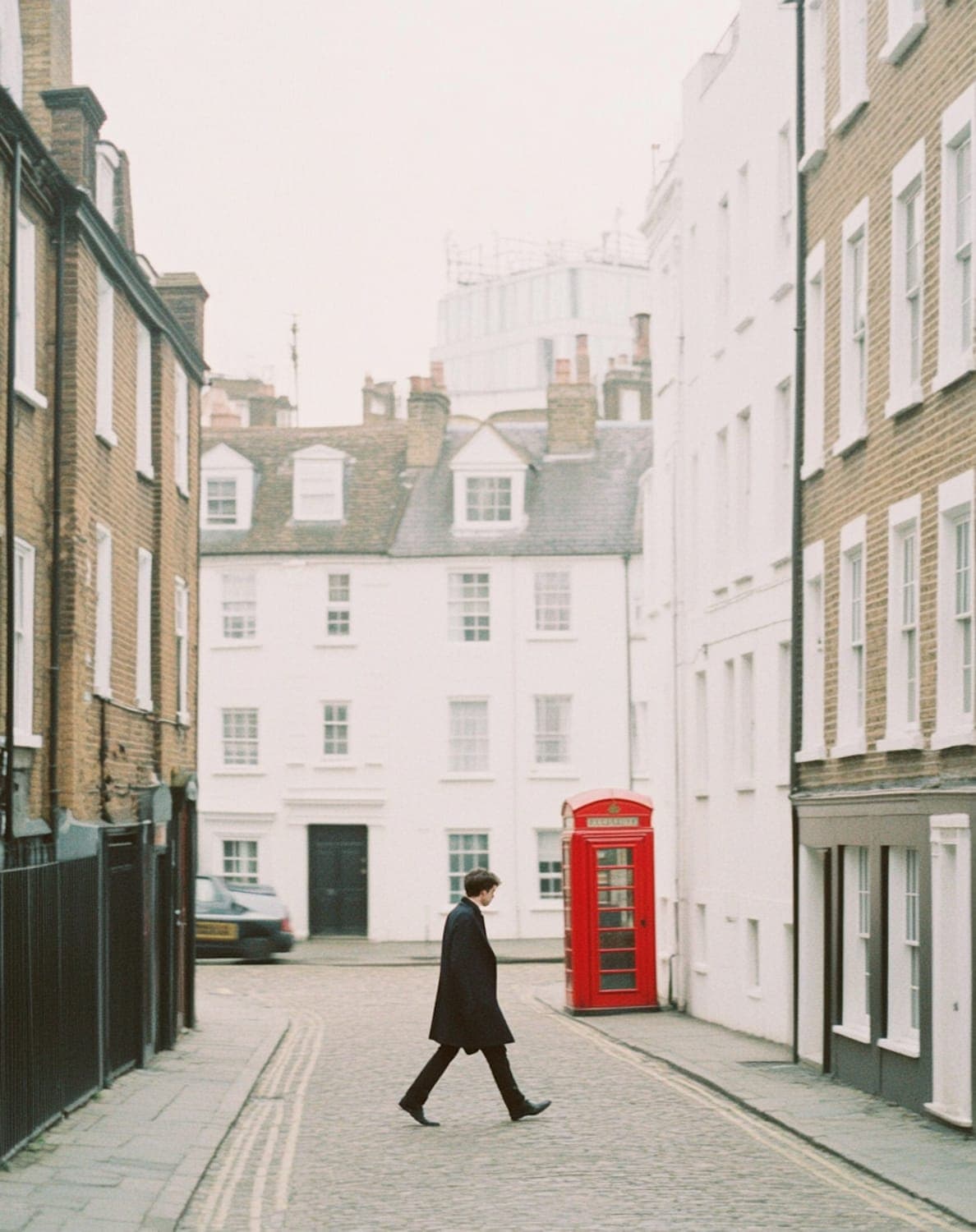
We are named after the neighbourhood, and we still work four streets from it.
How the practice started
Archway started in 2011 in a rented room above a bike shop on Junction Road, with one project: a rear extension in Tufnell Park for a couple who had been turned down by two other architects for being too small a job. That house is still there, and its owners have since sent us four clients.
We are named after the neighbourhood, not after ourselves, and we still work from four streets away. Being a local practice in a specific place has shaped everything about how we operate. We know which conservation officers read the archive and which do not. We know the bricklaying gangs, the joiners and the two structural engineers we trust with a Victorian party wall. That knowledge is not transferable, and it is most of what a client is actually buying.
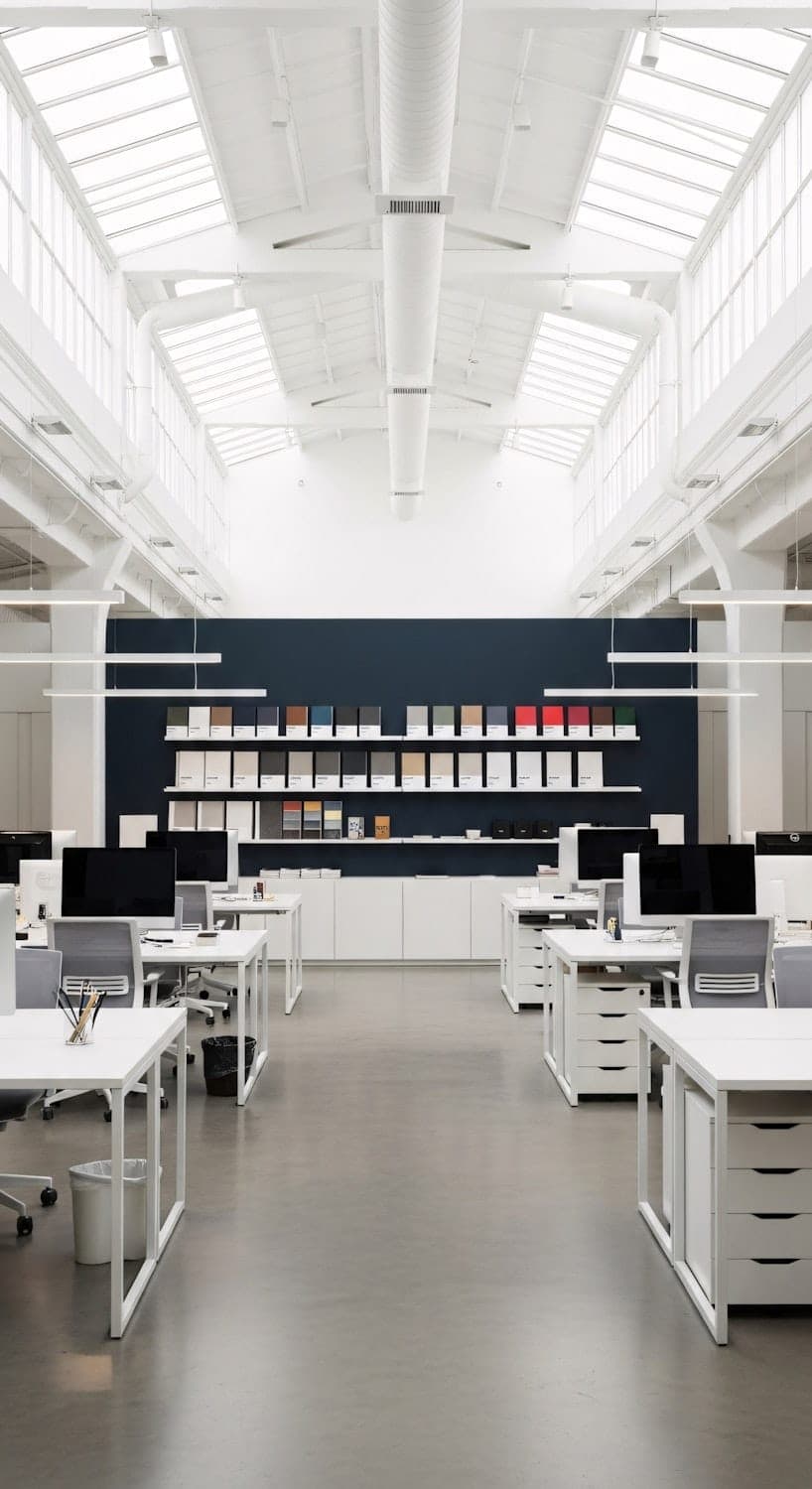
The studio is now eleven people and takes on around fourteen projects a year, deliberately. We have turned down work that would have doubled our size, because the thing clients tell us they value most is that a director is at their meetings and on their site, and that stops being true past a certain number of projects.
A third of our work is now retrofit and repair, which was not a strategic decision so much as a consequence of where we are: North London is full of solid-wall Victorian housing that is cold, and full of buildings that people have been told are beyond saving. Chapel Street Library was approved for demolition when we won the competition to look at it again. It reopened in March 2025.
What we hold to
Four things we will not trade away.
- 01The brief is the project
- What a client asks for and what they need are rarely the same thing at the first meeting. We spend longer than most practices finding the difference, because every hour spent there saves ten later. It is also why we do not present a design at meeting one.
- 02Repair before replacement
- We start from the assumption that what is standing can be kept, and we test that assumption honestly rather than using it as a marketing position. Sometimes the answer is that a building really is beyond saving. More often it is not, and nobody has checked properly.
- 03Detail is not decoration
- Between forty and seventy construction drawings on a single house sounds excessive until you have watched a contractor make those decisions on site with your money. The junctions are where budgets are kept, and where buildings either last or leak.
- 04We say no in writing
- If we think a specification is unsafe, a measure is a waste of money or an appeal is not worth running, we will tell you plainly and put it in writing. We have talked clients out of work we would have been paid for, and expect to again.
Who you will work with
A director is at your meetings and on your site.
Eleven people work here. These four will be the ones you deal with, depending on what the project needs and which stage it is at.

Ilona Bakker
Founding directorARB · RIBA
Ilona founded Archway in 2011 after eleven years in larger practices, having grown tired of projects where the person who designed the building never met the person who paid for it. She leads the residential work and takes the first meeting on almost every enquiry. She is the practice's advocate for spending real time on the brief, and the reason a month of wind readings preceded the first drawing at Kestrel Ridge House.

Samuel Adeyemi
Director, technicalARB · RIBA
Samuel joined in 2014 and runs everything from technical design through to handover. He is responsible for the detail packages the practice is known for, and for the unglamorous discipline of contract administration that keeps projects from drifting. He led the delivery of Foundry Yard through a pandemic-interrupted programme, and still maintains the standard detail library the whole studio draws from.

Priya Raman
Associate, heritage and retrofitARB · RIBA · IHBC
Priya leads the practice's conservation and retrofit work, which now accounts for a third of what we do. She commissioned the structural re-survey that saved Chapel Street Library from demolition, and she wrote the moisture assessment method the studio applies to every solid-wall project. She is the person most likely to tell a client that the specification they have already bought is not safe to install.

Tom Whitfield
Project architectARB
Tom qualified with the practice after joining as a Part 1 assistant in 2018, and now runs projects of his own from brief to completion. He handled the eleven-week window repair programme at Ironmongers' Warehouse, negotiating sash by sash with the joiner and the conservation officer, and he manages the practice's post-occupancy reviews.
Come and talk to us about it.
The first visit is free, takes about an hour, and happens on your site. We write a fee proposal only after it.